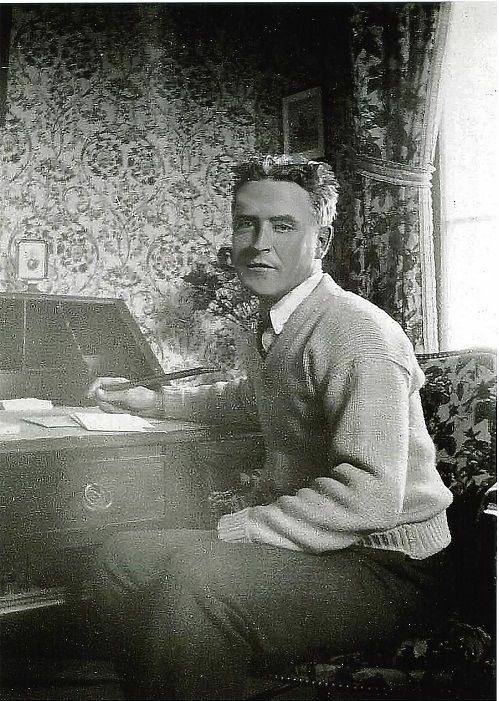
Thursday, 30 March 2023

Assignment - 1 Theme of fragmentation in "The Waste Land" and how it relates to Eliot's modernist literary style.

Name: - Bhavyata Kukadiya 

Roll No: - 4

Semester: - 2(Batch 2022-24)

Enrolment number: - 4069206420220018

Paper No: - 106

Paper name: - The Twentieth Century Literature: 1900 to World War II 

Paper code: - 22399

Topic: - Theme of fragmentation in "The Waste Land" and how it relates to Eliot's modernist literary style.

Submitted to: - Smt. S. B. Gardi Department of English, Maharaja Krishnakumarsinhji Bhavnagar University

Date of Submission:- 31/03/2023

Email Address: - bhavyatakukadiya@gmail.com


Theme of fragmentation in "The Waste Land" and how it relates to Eliot's modernist literary style.


Table of Contents:


Introduction 

T.S Eliot

The Waste Land

Fragmentation in "The Waste Land"

Examples from the poem that illustrate fragmentation

Eliot's Modernist Literary Style

Eliot Uses Fragmentation to Express the Modernist Condition

Conclusion


 Introduction


T.S Eliot:


Thomas Stearns Eliot OM (26 September 1888 – 4 January 1965) was a, essayist,poet publisher, playwright, literary critic and editor. Considered one of the 20th century's major poets, he is a central figure in English-language Modernist poetry.Born in St. Louis, Missouri, to a prominent Boston Brahmin family, he moved to England in 1914 at the age of 25 and went on to settle, work, and marry there He became a British citizen in 1927 at the age of 39 and renounced his American citizenship.T.S. Eliot is widely regarded as one of the most important and influential modernist poets of the 20th century.


 Eliot's most famous works include "The Love Song of J. Alfred Prufrock", "The Waste Land", "The Hollow Men", "Ash Wednesday", and "Four Quartets". He also wrote plays, such as "Murder in the Cathedral" and "The Cocktail Party". Eliot won the Nobel Prize in Literature in 1948 for his contribution to poetry.


His most famous work, "The Waste Land," was first published in 1922 and has since become a cornerstone of modernist literature. The poem is known for its complex structure, fragmented language, and multiple voices, all of which contribute to a sense of dislocation and disillusionment that characterizes modernist literature.


The Waste Land 


"The Waste Land" is a complex and fragmented modernist poem by T.S. Eliot, first published in 1922. The poem is divided into five sections and incorporates a wide range of literary and cultural allusions, as well as multiple voices and perspectives. It explores themes of disillusionment, alienation, and spiritual crisis in the aftermath of World War I, and uses a fragmented and disjointed style to express the fragmented and disorienting experience of modern life. The poem is widely regarded as a masterpiece of modernist literature and is considered one of the most important works of the 20th century.


One of the most significant themes in "The Waste Land" is fragmentation. This theme is evident throughout the poem, from the disjointed narratives to the broken allusions and fragmented language. Eliot uses fragmentation as a way of expressing the sense of dislocation and alienation that characterizes modernist literature.


 Fragmentation in "The Waste Land"

Fragmentation in "The Waste Land" refers to the way in which the poem is structured and written, with multiple voices, perspectives, and narratives interwoven in a seemingly disjointed way. This technique creates a sense of dislocation and alienation that characterizes modernist literature.

One of the ways Eliot uses fragmentation in "The Waste Land" is through the use of disjointed narratives. The poem is composed of several fragments that are seemingly unrelated, and the reader must work to piece them together to create a coherent narrative. 


Examples from the poem that illustrate fragmentation 

In the Poem opening lines of the poem, "April is the cruellest month, breeding out of the dead land," are followed by a series of seemingly disconnected images and allusions to various historical and literary figures. This technique creates a sense of disorientation that reflects the fragmented nature of modern life.

In addition to disjointed narratives, Eliot also uses fragmented language in "The Waste Land." He combines multiple languages, dialects, and registers in the poem, which creates a sense of linguistic fragmentation. For example, in the section titled "A Game of Chess," Eliot uses a combination of colloquial language and elevated language to create a sense of fragmentation. The use of multiple languages and registers in this section reflects the fragmented nature of modern society and its lack of a unified language or culture.

Another way Eliot uses fragmentation in "The Waste Land" is through the use of broken allusions. The poem is filled with references to various historical and literary figures, but these allusions are often broken or fragmented. For example, in the section titled "Death by Water," Eliot makes a reference to the Phoenician sailor, but the reference is fragmented and incomplete. This technique creates a sense of fragmentation and dislocation, as the reader is forced to piece together the broken allusions to create a coherent meaning.

The use of fragmentation in "The Waste Land" has a profound impact on the meaning and effect of the poem. It creates a sense of disorientation and alienation that reflects the fragmented nature of modern society. The disjointed narratives, fragmented language, and broken allusions all contribute to this effect, and they create a sense of ambiguity and complexity that characterises modernist literature.


Eliot's Modernist Literary Style

Modernism is a cultural and artistic movement that emerged in the early 20th century as a response to the rapidly changing social, political, and economic conditions of the time. It was characterized by a desire to break with traditional forms and conventions, and to experiment with new forms, techniques, and styles.


characteristics of modernism:

Experimentation: Modernist artists and writers were interested in exploring new forms, techniques, and styles, often using unconventional or avant-garde approaches. This experimentation was driven by a desire to break with traditional forms and conventions, and to create something new and original.


Fragmentation: Modernist works often broke with traditional narrative structures, fragmenting the story or plot into multiple perspectives, voices, and narratives. This fragmentation reflected the fragmented nature of modern society and the dislocation and alienation that many people felt in the wake of World War I.


Subjectivity: Modernism was characterized by a focus on the inner world of the individual, with an emphasis on subjective experience, emotion, and consciousness. This focus on subjectivity reflected the growing interest in psychology and the idea that the individual experience was a legitimate subject of art and literature.


Anti-realism: Many modernist works were characterized by a rejection of realism and the idea that art should simply represent reality. Instead, modernist artists and writers were interested in exploring the symbolic, the abstract, and the surreal, often using techniques like stream-of-consciousness narration and automatic writing.


Critique of tradition: Modernist artists and writers were often critical of traditional forms and conventions, which they saw as outdated and stifling. 


Eliot's literary style fits into the modernist movement


T.S. Eliot is considered one of the most important modernist writers, and his literary style reflects many of the key characteristics of the modernist movement.


First, Eliot's use of fragmentation is a hallmark of modernist literature. In "The Waste Land," for example, he combines multiple voices, narratives, and allusions in a seemingly disjointed way, creating a sense of dislocation and alienation that reflects the fragmented nature of modern society. This fragmentation is a key characteristic of modernist literature, which sought to break with traditional narrative structures and experiment with new forms and techniques.

Second, Eliot's emphasis on subjectivity is another important aspect of modernist literature. He was interested in exploring the inner world of the individual, and his works often focus on the subjective experience of his characters. This emphasis on subjectivity reflected the growing interest in psychology and the idea that the individual experience was a legitimate subject of art and literature.

Third, Eliot's use of allusions and references to other works of literature and art is a common feature of modernist literature. In "The Waste Land," for example, he references a wide range of literary and historical figures, including Dante, Shakespeare, and Tiresias. These allusions reflect the modernist interest in intertextuality and the idea that all art and literature is interconnected.

Fourth, Eliot's rejection of traditional forms and conventions is another key aspect of modernist literature. He sought to break with the literary traditions of the past and create something new and original. This rejection of tradition is evident in his use of unconventional forms and techniques, such as the fragmented narratives and mixed registers in "The Waste Land."


Examples from "The Waste Land" that illustrate Eliot's modernist literary style:

Use of Allusions: Eliot's poem is filled with allusions to a wide range of literary and cultural works. For example, in the first section of the poem, "The Burial of the Dead," he references the works of Shakespeare, Dante, and the Bible. The allusions serve to create a sense of intertextuality and to highlight the connections between different works of literature.

Multiple Perspectives: "The Waste Land" is notable for its use of multiple perspectives and voices. The poem shifts between different characters and narrative perspectives, including the voice of the narrator, the voice of a woman, and the voice of Tiresias. This use of multiple perspectives reflects the modernist interest in exploring the subjective experience of the individual.

Fragmented Narratives: One of the most prominent features of "The Waste Land" is its fragmented narrative structure. The poem is made up of a series of disjointed images and scenes that are often difficult to connect. For example, the section "A Game of Chess" is a fragmented narrative that shifts between the perspectives of two different characters without providing a clear narrative arc. This fragmentation reflects the fragmented nature of modern society and the dislocation and alienation that many people felt in the wake of World War I.

Stream-of-Consciousness Narration: Eliot also makes use of stream-of-consciousness narration in "The Waste Land." For example, in the section "The Fire Sermon," he uses the stream-of-consciousness technique to explore the inner thoughts and emotions of the narrator. This technique reflects the modernist interest in exploring the subjective experience of the individual and the inner workings of the human mind.

Use of Imagery: Finally, Eliot's use of imagery is another key aspect of his modernist literary style. Throughout "The Waste Land," he uses vivid, often surreal images to create a sense of dislocation and alienation. For example, in the section "The Burial of the Dead," he uses images of dead trees, dry bones, and empty watercourses to create a sense of decay and destruction. These images reflect the modernist interest in exploring the darker aspects of the human experience and the sense of disillusionment that many people felt in the wake of World War I.


Relationship between Fragmentation and Modernism in "The Waste Land"


Fragmentation Relates to Modernism

Disillusionment and Alienation: Modernist writers often used fragmentation as a way of expressing the sense of disillusionment and alienation that many people felt in the wake of World War I. "The Waste Land" reflects this theme by using disjointed narratives, fragmented language, and broken allusions to create a sense of dislocation and uncertainty.

Loss of Faith: Another key theme of modernist literature is the loss of faith in traditional values and beliefs. Eliot uses fragmentation in "The Waste Land" as a way of expressing this loss of faith, particularly in the section "The Fire Sermon." In this section, the narrator reflects on the emptiness and futility of modern life, expressing a sense of disillusionment and despair.


 Eliot Uses Fragmentation to Express the Modernist Condition

Fragmented Narratives: Eliot uses fragmented narratives in "The Waste Land" as a way of reflecting the disjointed and fragmented nature of modern society. For example, the section "A Game of Chess" shifts between the perspectives of two different characters without providing a clear narrative arc. This fragmentation reflects the sense of dislocation and alienation that many people felt in the wake of World War I.

Fragmented Language: Eliot also uses fragmented language in "The Waste Land" to reflect the breakdown of communication and the difficulty of expressing meaning in a fragmented world. For example, in the section "The Burial of the Dead," the narrator uses disjointed phrases and incomplete sentences to create a sense of confusion and uncertainty.

Broken Allusions: Finally, Eliot uses broken allusions in "The Waste Land" as a way of expressing the loss of faith in traditional values and beliefs. For example, in the section "The Burial of the Dead," the narrator references the works of Shakespeare, Dante, and the Bible, but these allusions are often broken and incomplete, reflecting the sense of fragmentation and uncertainty that characterizes modern life.


Examples from "The Waste Land"

Fragmented Narratives: In the section "A Game of Chess," Eliot uses a fragmented narrative structure to reflect the sense of dislocation and alienation that many people felt in the wake of World War I. The section shifts between the perspectives of two different characters without providing a clear narrative arc, creating a sense of confusion and uncertainty.


Fragmented Language: In the section "The Burial of the Dead," Eliot uses fragmented language to create a sense of confusion and uncertainty. The narrator uses disjointed phrases and incomplete sentences, reflecting the breakdown of communication and the difficulty of expressing meaning in a fragmented world.

Broken Allusions: In the section "The Burial of the Dead," Eliot uses broken allusions to express the loss of faith in traditional values and beliefs. The narrator references the works of Shakespeare, Dante, and the Bible, but these allusions are often broken and incomplete, reflecting the sense of fragmentation and uncertainty that characterizes modern life.


Conclusion

In conclusion, T.S. Eliot's "The Waste Land" is a quintessential example of modernist literature, characterized by its use of fragmentation, experimentation, and subjectivity. The theme of fragmentation plays a significant role in the poem, reflecting the sense of dislocation and uncertainty that many people felt in the wake of World War I. Eliot uses fragmentation as a way of expressing the modernist condition, particularly the sense of disillusionment, alienation, and loss of faith that characterized the era.


Throughout the poem, Eliot uses a range of techniques to create a sense of fragmentation, including disjointed narratives, fragmented language, and broken allusions. These techniques serve to break down traditional forms of communication and meaning, reflecting the breakdown of traditional values and beliefs that characterized modern society.


Overall, "The Waste Land" remains a significant work of modernist literature, reflecting the tumultuous social and cultural landscape of the early 20th century. Through its use of fragmentation, the poem highlights the fragmented and uncertain nature of modern life, and provides insight into the challenges of navigating a rapidly changing world. As such, "The Waste Land" remains a relevant and important work of literature today, continuing to inspire and challenge readers with its innovative style and powerful message.

Words:-

Images:-

Thinking Activity Tradition and the Individual Talent

 Thinking ActivityTradition and the Individual Talent 


This blog is written as a part of a thinking activity assigned by Dr. Dilip Barad sir

I will be writing a blog where I will answer some questions given by Dr. Dilip Barad. The questions are related to T.S. Eliot's essay is called "Tradition and the Individual Talent." In my blog, I will share my personal views and opinions on these questions. 


Tradition and the Individual Talent


"Tradition and the Individual Talent" is an essay by T.S. Eliot, first published in 1919. In this essay, Eliot argues that literary tradition plays a vital role in shaping and influencing individual artistic expression. He believes that every new work of art is influenced by the works that came before it and that the individual artist's job is to find a place for their own work within the larger tradition.


Eliot argues that the true artist must be aware of the entire history of literature and that they must be able to see their own work in the context of that tradition. He believes that the artist must be both humble and confident, understanding their place in the larger tradition while also striving to make a unique contribution to it.


One of Eliot's most famous ideas from this essay is the concept of the "objective correlative," which he defines as "a set of objects, a situation, a chain of events which shall be the formula of that particular emotion." He believes that the artist's job is to use these objective correlatives to evoke a specific emotion in the reader or viewer.


Overall, Eliot's essay is a defense of the importance of tradition in the creation of new art. He argues that individual talent can only be fully realized when it is situated within a larger historical and cultural context.


How would you like to explain Eliot's concept of Tradition? Do you agree with it?


T.S. Eliot believes that tradition is the part of culture passed down from the past that shapes the present. However, there's a tension between traditional and modern perspectives. Eliot refers to tradition in a historical sense, meaning that the past has a significant influence on the present.

He says that artists should not imitate the past blindly, but incorporate new ideas and their own talent. It's hard to say whether or not I agree with Eliot, as he emphasizes the importance of tradition while also criticizing writers who break away from it.

However, Eliot's approach encourages artists to use the past as a starting point while incorporating their own ideas and creating something new.


What do you understand by Historical Sense? 

Eliot believes that tradition refers to the cultural elements passed down from the past, which continue to shape the present. He emphasizes the importance of the historical sense, which involves the idea of the past's presence in the present. Our past has a significant influence on our present. According to Eliot, this concept is crucial for depersonalization.

Eliot argues that the historical sense, which encompasses both the timeless and the temporal aspects, is what makes a writer traditional. The historical sense has no limits, and it combines the secular with the timeless. Therefore, a writer who incorporates the historical sense into their work can be considered traditional.


 What is the relationship between “tradition” and “the individual talent,” according to the poet T. S. Eliot?


Eliot introduces the term "individual talent" to distinguish a poet's talent when discussing tradition. While he emphasizes the importance of the historical sense, he also acknowledges the significance of individual talent in presenting that historical sense in a modern context. In other words, while the historical sense is necessary, creativity is also crucial in producing literary works.


 Explain: "Some can absorb knowledge, the more tardy must sweat for it. Shakespeare acquired more essential history from Plutarch than most men could from the whole British Museum".


Eliot points out that becoming a creative writer is not an easy task, as great epochs of creativity are rare. To achieve this, one must have extensive knowledge and wide-ranging reading across various fields, both past and present. 

"Great epoch of creativity doesn't come often."

However, Eliot also acknowledges that some individuals have a natural ability to absorb knowledge effortlessly, which can compensate for a lack of extensive reading. As an example, he cites Shakespeare, who did not attend university but was still able to write prolifically. Eliot presents both major and exceptional ways of achieving literary success, but it seems that reading receives more emphasis in his argument due to its broad accessibility and proven effectiveness in improving writing skills.


Explain: "Honest criticism and sensitive appreciation is directed not upon the poet but upon the poetry"


T.S. Eliot's essay "Tradition and the Individual Talent" emphasizes the importance of honest criticism and sensitive appreciation directed towards poetry rather than the poet. However, in many cases, critics tend to focus on the artist rather than the art itself, which can hinder genuine appreciation and critique.

For instance, if a critic chooses a particular writer or poet and analyzes their work solely through the lens of the artist's personal life or background, it does not provide an accurate evaluation of the poetry. This approach neglects the intrinsic value of the literary work and fails to capture its true essence.

Therefore, to conduct honest and effective criticism or appreciation, it is crucial to shift the focus from the poet to the poetry itself. By examining the literary work without preconceptions or biases towards the artist, one can better appreciate the art and provide insightful criticism that acknowledges the merits and flaws of the work on its own terms.


 How would you like to explain Eliot's theory of depersonalization? You can explain with the help of chemical reaction in presence of catalyst agent, Platinum.


T.S. Eliot's theory of depersonalization refers to the idea that in creating poetry, the poet should try to remove their personal emotions and experiences from the work, and instead create a more objective, impersonal piece of art. It is similar to the way a catalyst works in a chemical reaction.

A catalyst is a substance that facilitates a chemical reaction, without itself being consumed or changing its own composition. In the same way, the poet should use language and images to facilitate the expression of emotions and ideas, but without being consumed by them or revealing too much of their personal experiences.


 platinum is a catalyst that can speed up the reaction between hydrogen and oxygen to form water, without itself being consumed or changing in any way. Similarly, in creating poetry, the poet's language and images can act as a catalyst to express emotions and ideas, while the poet themselves remain separate from the work, not consumed by their personal experiences or emotions.

Thus, Eliot suggests that by depersonalizing poetry in this way, the work can become more universal and timeless, appealing to a wider audience and retaining its relevance even as time passes.


 Explain: " Poetry is not a turning loose of emotion, but an escape from emotion; it is not the expression of personality, but an escape from personality."


T.S. Eliot is saying that poetry is not just a way to express emotions or personality. Instead, it is a way for poets to escape from their personal experiences and emotions and create something that is beyond themselves. When poets write poetry, they are using language and imagery to create a work of art that is universal and timeless, not just an expression of their own personal feelings. In this way, poetry allows us to transcend our own limitations and connect with others on a deeper level.


Monday, 20 March 2023

Flipped Learning Activity- Existentialism

 Flipped Learning Activity- Existentialism

 This blog is written as response to the task given by Dr. Dilip Barad sir on the 20th century movement called The Existentialism as part of Flipped Learning activity at The Department of English, MKBU.


In this task to understand Existentialism we were given several video resources, by watching those videos we have to understand the movement of Existentialism.


Thought that I like the most:

From video 1,


“It's only after realizing the absurdity of life or living in despair that you can fully devote yourself to God and understand him and this can not be preached or achieved by being a part of the herd or community.”


Video that I liked the most 

I have been learning about existentialism by watching 10 videos. The first six were helpful, but the seventh video from the Academy of Idea channel was the best. It covered a lot of topics like where existentialism came from and famous people who were part of it.

Existentialism is a complex philosophical movement that explores what it means to be human and the ways in which we interact with the world around us. It emerged in the 19th century with the work of philosophers like Kierkegaard and Nietzsche, and gained popularity in the 20th century with the works of figures like Sartre, Camus, Heidegger, and Kafka.


One of the central themes of existentialism is the human condition, or the idea that humans are inherently free and responsible for their own choices and actions. This means that we have the power to create our own meaning and purpose in life, rather than relying on external sources of authority or meaning.


The video also talked about important ideas like what it means to be human and how we relate to God. One idea that caught my attention was the difference between existentialism and nihilism. Both ideas can make life seem meaningless, but existentialism says we can make our own meaning, while nihilism says there is no meaning at all.


 Another important aspect of existentialism is the concept of the divine and the human. Many existentialist philosophers reject traditional religious beliefs and instead emphasize the importance of individual choice and personal experience. They argue that humans are separate from God or any other higher power, and must make their own way in the world.


Finally, existentialism is often contrasted with nihilism, which is the belief that life is ultimately meaningless and that there is no inherent purpose or value in the universe. While both existentialism and nihilism can be characterized by a sense of meaninglessness or emptiness, existentialism emphasizes the importance of individual choice and freedom in creating meaning, whereas nihilism tends to reject the possibility of any inherent meaning or purpose in life.


Good Thought in video about Existentialism:

“Existentialism is an attitude that recognizes the unresolvable confusion of the human world, yet resists the all-too- human temptation to resolve the confusion by grasping toward whatever appears or can be made to appear firm or familiar…The existential attitude begins with a disoriented individual facing a confused world that he cannot accept.”


Robert Solomon- 


From Hegel to Existentialism.


'Existentialism stresses that what we need most is not a divine perspective of the human conditions but a human perspective.'


'When we come to fully accept that the only existence we can be certain of is a temporal one, the shock of such a realization can help us give strength to stop living in conformity with the masses and instead take control of our own lives and live by standards and values of our own choosing.'


Thinking Activity- Transcendentalism

Thinking Activity- Transcendentalism

 This blog is written in response to the thinking activity given by Trivedi Megha Ma’am on the topic of Transcendentalism at 

Transcendentalism 


Transcendentalism is a philosophical and literary movement that began in the early 19th century in the United States. The movement was led by Philosophers and Writers, such as Ralph Waldo Emerson, Henry David Thoreau, and Margaret Fuller, and it had a significant impact on American literature, culture, and politics. It emphasizes the innate goodness of people and nature, the importance of self-reliance and individualism, and the pursuit of a higher spiritual understanding. Transcendentalists believe that knowledge can be attained not just through reason and the senses, but also through intuition and a direct connection to the divine.


Transcendentalism is a complex movement that incorporates elements of philosophy, religion, and literature. It was largely a reaction against the rationalism and materialism of the Enlightenment, as well as the religious orthodoxy of the time. Transcendentalists believed that people and nature are inherently good and that society and institutions often stifle individual potential and obscure the spiritual truths of the universe. rewrite the Paragraphs in simple words and make it quite large 


Transcendentalism is a way of thinking that became popular in the early 1800s in the United States. This idea was supported by thinkers and writers like Ralph Waldo Emerson, Henry David Thoreau, and Margaret Fuller. It had a big impact on American literature, culture, and politics.


Transcendentalism is about the goodness of people and nature, the importance of being self-reliant and independent, and the search for a deeper spiritual understanding. Transcendentalists believed that people can gain knowledge not just by using their reason and senses, but also through intuition and by connecting directly with the divine.


This way of thinking is quite complex and combines ideas from philosophy, religion, and literature. It was a reaction against the materialistic and rational ideas of the Enlightenment period and the strict religious beliefs of that time. Transcendentalists thought that people and nature are naturally good, but society and institutions often hold individuals back from reaching their full potential and understanding the spiritual truths of the universe.


Transcendentalism is an American philosophy that influenced American literature at length. Can you find any Indian or regional literature or philosophy that came up with such similar thoughts?


There are several Indian philosophies and literary works that share similar ideas with Transcendentalism. One such philosophy is Vedanta, which is a school of Hindu philosophy that emphasizes the unity of the individual self and the universal self, or Brahman. Vedanta also emphasizes the importance of direct experience and intuition, similar to the Transcendentalist emphasis on intuition as a means of gaining knowledge.


Another Indian philosophy that shares similarities with Transcendentalism is Jainism, which is an ancient Indian religion that emphasizes self-reliance and individualism. Jainism also promotes nonviolence and respect for all living beings, which is similar to the Transcendentalist belief in the inherent goodness of nature and the importance of preserving it.


In terms of Indian literature, the works of Rabindranath Tagore, a Bengali poet and philosopher, contain Transcendentalist ideas. Tagore's writing often reflects a deep appreciation for nature and a belief in the inherent goodness of humanity. He also emphasizes the importance of individualism and self-reliance, as well as the need for spiritual and moral growth.


Another example is the works of the Indian poet and philosopher, Sri Aurobindo, who believed in the possibility of spiritual transformation and the ultimate realization of a higher consciousness. His writing emphasizes the importance of individual development and the pursuit of a deeper spiritual understanding.


Overall, while there may not be an exact parallel to Transcendentalism in Indian or regional literature and philosophy, there are certainly similar ideas and themes that have been explored by Indian thinkers and writers throughout history.


Tuesday, 7 March 2023

Thinking Activity- War Poetry

 Thinking Activity- War Poetry


 This blog is in response to the thinking Activity given by Megha Ma’am on the topic of War poetry.


War Poetry:-


 War poetry is a genre of poetry that emerged during times of conflict, typically written by soldiers or civilians who experienced the trauma of war. It often reflects the emotional and psychological impact of war, conveying themes such as grief, loss, courage, patriotism, and the horrors of war.


War poetry has a long history, dating back to ancient times when soldiers composed songs and poems to commemorate battles and honor fallen comrades. However, the term "war poetry" is most commonly associated with the literature of the First World War, which had a profound impact on the cultural consciousness of the time.


During the First World War, poets such as Wilfred Owen, Siegfried Sassoon, and Rupert Brooke gained recognition for their powerful and poignant depictions of the realities of war. Their works often challenged the romanticised view of war that had been prevalent in earlier literature, revealing the brutal and dehumanising nature of modern warfare.


Following the First World War, war poetry continued to be written in response to subsequent conflicts, including the Second World War, the Vietnam War, and the Gulf War. The themes and styles of war poetry have also evolved over time, with contemporary war poets often incorporating elements of realism, surrealism, and other literary techniques to convey the complexities of modern warfare.

war poetry remains an important form of expression for those affected by conflict, offering a means of processing trauma and bearing witness to the experiences of those who have suffered the ravages of war.


Rupert Brooke:-


Rupert Brooke (1887-1915) was an English poet known for his idealistic and patriotic poems, which captured the optimism and romanticism of the early 20th century. Brooke was born in Rugby, Warwickshire, and was educated at Cambridge University.


Brooke's most famous poems are his sonnets, including "The Soldier," which was written at the beginning of World War I and expresses the idea of sacrifice for one's country. The poem's opening lines, "If I should die, think only this of me: / That there's some corner of a foreign field / That is forever England," have become famous.


Brooke also wrote several other poems, including "The Old Vicarage, Grantchester," which describes the idyllic English countryside and his nostalgia for his youth. Another famous poem, "1914," reflects Brooke's initial enthusiasm for the war and his belief that it would be a transformative experience.


Sadly, Brooke did not live to see the end of the war. He died of sepsis on a French hospital ship on April 23, 1915, while en route to the Gallipoli campaign. He was buried on the island of Skyros in Greece. Brooke's early death and his idealistic poetry contributed to his reputation as a symbol of the lost generation of World War I.


"The Soldier" by Rupert Brooke


If I should die, think only this of me:


      That there’s some corner of a foreign field


That is for ever England. There shall be


      In that rich earth a richer dust concealed;


A dust whom England bore, shaped, made aware,


      Gave, once, her flowers to love, her ways to roam;


A body of England’s, breathing English air,


      Washed by the rivers, blest by suns of home.


And think, this heart, all evil shed away,


      A pulse in the eternal mind, no less


            Gives somewhere back the thoughts by England given;


Her sights and sounds; dreams happy as her day;


      And laughter, learnt of friends; and gentleness,


            In hearts at peace, under an English heaven.


 The poem written by Rupert Brooke in 1914 at the beginning of World War I. The poem is a sonnet, consisting of fourteen lines, and it expresses the idea of sacrifice for one's country.


The poem begins with the speaker addressing his loved ones and asking them to remember him if he dies in battle. He tells them that they should not mourn his death, but instead be proud of him, for he has died fighting for his country. The first four lines of the poem are:


If I should die, think only this of me:

That there's some corner of a foreign field

That is forever England. There shall be

In that rich earth a richer dust concealed;


The speaker then goes on to describe the beauty of the English countryside and how it is forever linked to the memory of the soldier. He speaks of the "flowers" and "the English air" that will forever be associated with his memory. The poem continues with the following lines:


A dust whom England bore, shaped, made aware,

Gave, once, her flowers to love, her ways to roam,

A body of England's, breathing English air,

Washed by the rivers, blest by suns of home.


The final four lines of the poem express the speaker's belief that even in death, he will still be a part of England. He imagines that his soul will live on in the English landscape and that his spirit will continue to inspire future generations. The poem concludes with the following lines:


And think, this heart, all evil shed away,

A pulse in the eternal mind, no less

Gives somewhere back the thoughts by England given;

Her sights and sounds; dreams happy as her day;


"The Soldier" is a poem that captures the sense of idealism and patriotism that characterized the early years of World War I. The poem is often seen as a celebration of sacrifice and the willingness to die for one's country. Brooke's use of imagery and language creates a powerful and moving tribute to the soldiers who fought and died in the war.


Bollywood movie "Border" (1997) directed by J.P. Dutta, is a war drama that portrays the bravery and sacrifices of Indian soldiers during the 1971 Indo-Pak war. The film has a strong sense of patriotism and nationalism, similar to the sentiments expressed in Brooke's poem. 


Monday, 6 March 2023

Robert Frost's "Birches "

This Blog is a response to the thinking activity on Robert Frost's Famous Poem given by Megha ma'am.


Robert Frost:


Robert Frost was born on March 26, 1874, in San Francisco, where his father, William Prescott Frost, Jr., and his mother, Isabelle Moodie, had moved from Pennsylvania shortly after marrying. After the death of his father from tuberculosis when Frost was eleven years old, he moved with his mother and sister, Jeanie, who was two years younger, to Lawrence, Massachusetts. He became interested in reading and writing poetry during his high school years in Lawrence, enrolled at Dartmouth College in Hanover, New Hampshire in 1892 and, later, at Harvard University, though he never earned a formal degree.

Frost drifted through a string of occupations after leaving school, working as a teacher, cobbler, and editor of the Lawrence Sentinel. His first published poem, “My Butterfly,” appeared on November 8, 1894 in the New York newspaper The Independent.

writing poetry during his high school years in Lawrence, enrolled at Dartmouth College in Hanover, New Hampshire in 1892 and, later, at Harvard University, though he never earned a formal degree.

Frost drifted through a string of occupations after leaving school, working as a teacher, cobbler, and editor of the Lawrence Sentinel. His first published poem, “My Butterfly,” appeared on November 8, 1894 in the New York newspaper The Independent.

Though Frost’s work is principally associated with the life and landscape of New England—and, though he was a poet of traditional verse forms and metrics who remained steadfastly aloof from the poetic movements and fashions of his time—Frost is anything but merely a regional poet. 

Robert Frost lived and taught for many years in Massachusetts and Vermont, and died in Boston on January 29, 1963.


Birches:-


 "Birches" is a beautiful poem that explores the themes of youth, imagination, and the relationship between human beings and nature. It invites readers to consider the joys of play, the magic of the natural world, and the longing for escape from the stresses of adult life. The poem's vivid imagery and lyrical language make it a powerful and memorable work of art. This is a timeless tribute to the beauty and majesty of nature. Through the use of vivid imagery, Frost conveys the idea of a life force that is constantly in flux, akin to how the birches bend, sway, and arc. He also presents the notion of a spiritual presence that permeates the natural environment. 

The poem begins with a description of the birches, which are likened to a young boy's whips, that sway and bend in the wind. Frost then introduces the idea of a life force which is constantly in motion, which is demonstrated through the bending of the birches. He also suggests the possibility of a spiritual presence in nature, as evidenced by the birches being held "just so far that [they] may dangle from heaven." 


Themes:-

Youth and Innocence:

 The poem explores the theme of youth and the sense of freedom and playfulness that comes with it. The image of the boy swinging on the birches is a symbol of the carefree days of childhood, and Frost uses this image to evoke a sense of nostalgia for a simpler time.

Nature and Imagination: 

Frost's poem celebrates the beauty and mystery of the natural world. He uses vivid imagery to describe the birch trees, the ice-storms that bend them, and the colors and sounds of the changing seasons. The poem also explores the power of the imagination, as Frost encourages us to look beyond the surface of things and see the magic and wonder of the world around us.

Human Resilience:

 Another theme of the poem is the resilience of the human spirit in the face of adversity. Frost describes how the birch trees are bent down by ice-storms, but then rise again, and how the boy who swings on them learns to overcome obstacles and master his environment. The poem suggests that human beings are capable of overcoming challenges and finding joy and meaning in life despite the difficulties we may face.

Escapism: 

The poem also explores the theme of escapism, as Frost describes how he longs to "get away from earth awhile" and climb a birch tree to the sky. The poem suggests that sometimes we need to escape from the stresses and pressures of everyday life in order to find peace and renewal. 


Figure of speech:-

The poem is full of figurative language and imagery, which help to depict the beauty and power of nature. Frost uses personification to compare the birches to a young boy's whips, as well as to suggest that the trees are playing and dancing in the wind. He also employs metaphors to describe the birches as being held in a tight embrace by an unseen hand. 


Metaphor: Frost uses several metaphors throughout the poem, such as the comparison of the bent birch trees to girls' hair and the comparison of the ice-storms to glass. These metaphors help to create vivid and memorable images in the reader's mind.

Personification: Frost personifies the birch trees, describing them as "loaded with ice a sunny winter morning / after a rain" and "bent to left and right / Across the lines of straighter darker trees." This personification makes the trees seem more alive and vivid, and creates a sense of empathy between the reader and the natural world.


Imagery: The poem is rich in sensory imagery, appealing to the reader's sense of sight, sound, touch, and smell. Frost describes the sound of the wind shaking the trees, the feel of the rough bark under his hand, and the smell of the sap. These sensory details help to create a vivid and immersive reading experience.


Allusion: Frost alludes to the Greek myth of Icarus, who flew too close to the sun and fell to his death. The line "One could do worse than be a swinger of birches" suggests that the boy swinging on the birches is like Icarus, reaching for the sky but aware of the risks involved.

Symbolism: The birch tree is a powerful symbol in the poem, representing youth, innocence, and the resilience of the human spirit. The tree's ability to bend and then rise again after an ice-storm is a symbol of the strength and adaptability of human beings in the face of adversity.


Analysis of the poem:-

The poem is a meditation on the themes of mortality and resilience. Frost suggests that, like the birches, people too can bend and sway in the face of adversity, and still remain strong and resilient. He also implies that, while life is fleeting, there is still a spiritual presence that can protect and guide us. 

The poem begins with a description of birch trees that have been bent down by an ice-storm. Frost compares these trees to girls with long hair, and describes how the weight of the ice has caused them to bend and sway. He then describes a boy who has climbed a birch tree and is swinging on its branches, using the image of the boy to evoke a sense of nostalgia for the carefree days of childhood.

Frost then reflects on the role of birch trees in his own life, describing how as a boy he used to climb them and bend them down to the ground. He expresses a desire to "get away from earth awhile" and climb a birch tree to the sky, suggesting a longing for escape from the stresses and pressures of adult life.

The poem then shifts to a more contemplative tone, as Frost muses on the various ways in which birch trees might become bent and swayed. He considers the possibility that the trees might be bent down by boys swinging on them, or by ice-storms, or even by wild animals rubbing against them. This reflection leads him to a broader meditation on the theme of human resilience, and the way in which people can overcome adversity and find joy and meaning in life.

The poem concludes with Frost reflecting on the importance of returning to reality after periods of escape and fantasy. He describes how he likes to "come back to it [reality] and begin over," suggesting that the joys of childhood and the escape of imagination can be balanced by a return to the challenges and opportunities of the real world. 


Conclusion:-

Overall, Robert Frost's poem "Birches" is a timeless tribute to the beauty and power of nature. Through the use of vivid imagery and figurative language, Frost conveys the idea of a life force that is constantly in flux, as well as the presence of a spiritual presence that permeates the natural environment.poem is a reflection on the importance of finding a balance between the joys of imagination and the challenges of reality. After expressing a desire to climb a birch tree to escape the stresses of adult life, Frost acknowledges the importance of returning to reality and finding joy and meaning in the everyday world. He describes how he likes to "come back to it [reality] and begin over," suggesting that the escape of imagination and the joys of childhood can be balanced by a return to the challenges and opportunities of the real world. It is a poem that is full of poignant reflections on mortality and resilience


Words:-1560

Photo:-2


Friday, 3 March 2023

thinking activity on 'The Great Gatsby'

 This Blog is a response to the thinking activity on 'The Great Gatsby' by F. Scott Fitzgerald given by our professor Dr. Dilip Barad Sir.


 F. SCOTT FITZGERALD:-


F. Scott Fitzgerald (1896-1940) was an American novelist, short story writer, and screenwriter. He is widely regarded as one of the greatest American writers of the 20th century and a member of the "Lost Generation" of writers who came of age during World War I.


Fitzgerald is best known for his novel "The Great Gatsby," which is often considered one of the greatest American novels of all time. The novel is a critique of the American Dream and the decadence and excess of the Roaring Twenties.


Fitzgerald's other notable works include "This Side of Paradise," "Tender Is the Night," and "The Beautiful and Damned." His writing style was characterized by his use of vivid imagery, lyrical prose, and a focus on the lives and aspirations of the wealthy and privileged.


The Great Gatsby:-


"The Great Gatsby" is a novel written by F. Scott Fitzgerald, first published in 1925. Set in the 1920s, the novel tells the story of Jay Gatsby, a wealthy young man who has made his fortune through bootlegging during the Prohibition era. Gatsby is deeply in love with Daisy Buchanan, a married woman he courted years earlier, and he spends his time throwing extravagant parties in the hopes of attracting her attention.

The novel is narrated by Nick Carraway, a young man who has moved to New York to work in the bond business. Nick becomes Gatsby's neighbor and is drawn into the web of relationships that surround the wealthy and the privileged in the city. Through Nick's eyes, we witness the excesses and moral decay of the Jazz Age, as well as the tragic consequences of Gatsby's obsessive pursuit of his dream.

"The Great Gatsby" is widely regarded as one of the greatest works of American literature, and it is frequently taught in high school and college literature courses. Its themes of love, money, and the American Dream continue to resonate with readers today, and its vivid portrayal of the Roaring Twenties has made it a cultural touchstone for generations.

1) How did the film capture the Jazz Age, the Roaring Twenties, the Flappers & the Prohibition Act of America in the 1920s?
The Jazz Age - the Roaring Twenties of the America in 1920s:

The Jazz Age, also known as the Roaring Twenties, was a period of cultural and social change in America during the 1920s. The era was characterised by a booming economy, new forms of entertainment, and a loosening of traditional social norms. Its extravagant parties became symbols of the era.

The Great Gatsby, a novel by F. Scott Fitzgerald, is set during this period and explores the themes of excess, decadence, and the pursuit of the American Dream. The novel has been adapted into several movies, including the 2013 version directed by Baz Luhrmann.

Luhrmann's adaptation of The Great Gatsby captures the energy and glamour of the Jazz Age through its stunning visuals, lavish parties, and a pulsing soundtrack that blends modern music with jazz classics. The film stars Leonardo DiCaprio as the enigmatic Jay Gatsby, a millionaire who throws elaborate parties in an attempt to win back his lost love, Daisy Buchanan (played by Carey Mulligan).

The film portrays the excess and luxurious of the era, with characters indulging in alcohol, drugs, and casual sex. It also touches on the darker side of the Jazz Age, such as the rise of organised crime and the disillusionment of the generation that had fought in World War I.

Overall, Luhrmann's version of The Great Gatsby is a vibrant and visually stunning portrayal of the Jazz Age that captures the essence of the era while also offering a modern interpretation.


2) Watch PPT on the difference between the film and the novel and write in brief about it.

One major difference between the novel and the films is the way in which the story is presented.
 The 2013 film directed by Baz Luhrmann features a more modernized approach, with flashy visual effects and an updated soundtrack. In contrast, the novel is set in the 1920s and reflects the cultural values and societal norms of that time.Another significant difference between the novel and the films is the focus on certain themes and motifs. The novel emphasizes the decline of the American Dream and the corruption of wealth, while some film adaptations focus more on the love story between Gatsby and Daisy.

3) How did the film help in understanding the symbolic significance of 'The Valley of Ashes', 'The Eyes of Dr. T J . Eckleberg' and 'The Green Light'?
"The Valley of Ashes":-
"The Valley of Ashes" is a key symbol in the novel, representing the decay and hopelessness of the working-class people who live there. In the film, this symbolism is emphasized through the use of dark, desolate imagery and haunting music. The camera lingers on the smoky, industrial landscape, with the ash-covered workers going about their monotonous routines. This helps to underscore the contrast between the glamour and wealth of the main characters and the poverty and despair of those who live in the valley.

"The Eyes of Dr. T.J. Eckleburg" is another important symbol in the novel, representing the eyes of God or the watchful presence of a higher power. In the film, this symbolism is conveyed through the use of a massive billboard featuring the eyes of Dr. T.J. Eckleburg. The billboard looms over the valley of ashes, and the camera often frames shots so that the eyes seem to be watching over the action. This reinforces the idea that the characters are being constantly scrutinized and judged, even if they don't realize it. 

"The Green Light" symbolizes Gatsby's hopes and dreams, particularly his desire to be reunited with Daisy. In the film, the green light is portrayed as a shimmering beacon across the water, which Gatsby gazes at longingly. The camera often lingers on the light, emphasizing its importance to Gatsby and his motivations. This helps viewers to understand the significance of the light and its role in the story. 


4) How did the film capture the theme of racism and sexism?
In terms of racism, the film briefly acknowledges the fact that African Americans were marginalized and discriminated against during the era. For example, in one scene, an African American jazz band performs for a white audience, but they are forced to play behind a screen, highlighting the segregation and racism of the time. Additionally, the only African American character in the film, Meyer Wolfsheim (played by Amitabh Bachchan), is depicted as a shady and potentially criminal figure, which some critics have argued reinforces negative stereotypes.
In terms of sexism, the film does portray the objectification and mistreatment of women during the era. The character of Daisy Buchanan, in particular, is shown to be trapped in a loveless marriage and subject to the whims of her husband and the men around her. However, some critics have argued that the film also glamorizes the flapper lifestyle and portrays women primarily as objects of desire.
 The film does touch on themes of racism and sexism, it is primarily focused on the excess and decadence of the Jazz Age and the tragic love story at the center of the novel. As such, its treatment of these issues is somewhat limited and may not satisfy viewers looking for a deeper exploration of these themes.

5) Watch the video on Nick Carraway and discuss him as a narrator.
Nick Carraway is the narrator of The Great Gatsby, and he is an important character in his own right. As a narrator, Nick plays a crucial role in shaping the reader's understanding of the events and characters in the novel.

One of the key strengths of Nick as a narrator is his reliability. He is presented as a trustworthy and objective observer, who is able to provide insight into the characters and events without becoming personally involved. This allows the reader to trust his perspective and view the story through his eyes.

At the same time, Nick is not a completely impartial narrator. He has his own biases and opinions, and his relationship with Gatsby and Daisy influences his perspective on the events of the novel. For example, Nick admires Gatsby and is sympathetic to his quest for love and success, which colors his portrayal of the character. Additionally, Nick's attraction to Jordan Baker, and his subsequent disillusionment with her, affects his perspective on the female characters in the novel.

Another key aspect of Nick's role as a narrator is his position as an outsider. He is not part of the wealthy and glamorous world of the other characters, which allows him to provide a critical perspective on their behavior and values. At the same time, Nick is not completely separate from this world, as he is drawn into their social circle and becomes embroiled in their affairs.

 Nick Carraway is a complex narrator who plays a crucial role in shaping the reader's understanding of The Great Gatsby. His reliability, biases, and outsider perspective all contribute to the richness and complexity of the novel.


6) Watch the video on psychoanalytical study of Jay Gatsby and write about his character.


Jay Gatsby, the protagonist of the novel .He is a complex figure who is often interpreted in various ways. Through a psychoanalytical lens, Gatsby's character can be seen as a reflection of his inner conflicts, desires, and motivations.


Gatsby is driven by a desire to be accepted by the wealthy and powerful members of society, and this desire is rooted in his lower-class background. He is constantly striving for more, but the more he has, the more his guilt and insecurity manifest. Gatsby's need for status and recognition is a reflection of his fear of rejection and insignificance. 

Gatsby's unrequited love for Daisy Buchanan is a prime example of his complicated relationship with his own emotions. Despite his love for Daisy, Gatsby is unable to express his feelings and instead masks them behind grand gestures and material possessions. His fear of being rejected by Daisy and his conscious choice to stay in the background results in a state of emotional deprivation.

The way Gatsby deals with his inner turmoil and his inability to express his feelings is a complex psychoanalytical study. His attempts to win Daisy's love, his obsession with the wealthy, and his constant sense of guilt are all reflections of his own inner struggles. Gatsby's journey of self-discovery is a powerful reminder of the strength of human emotion and the power of self-reflection


Words:- 1780
Image:-
Gif:-
Video:-

Std 11 Grammar

Selection of responses (Based on language function) Select the most appropriate response.  1. (1) Uncle: How do you go to your school? Akash...